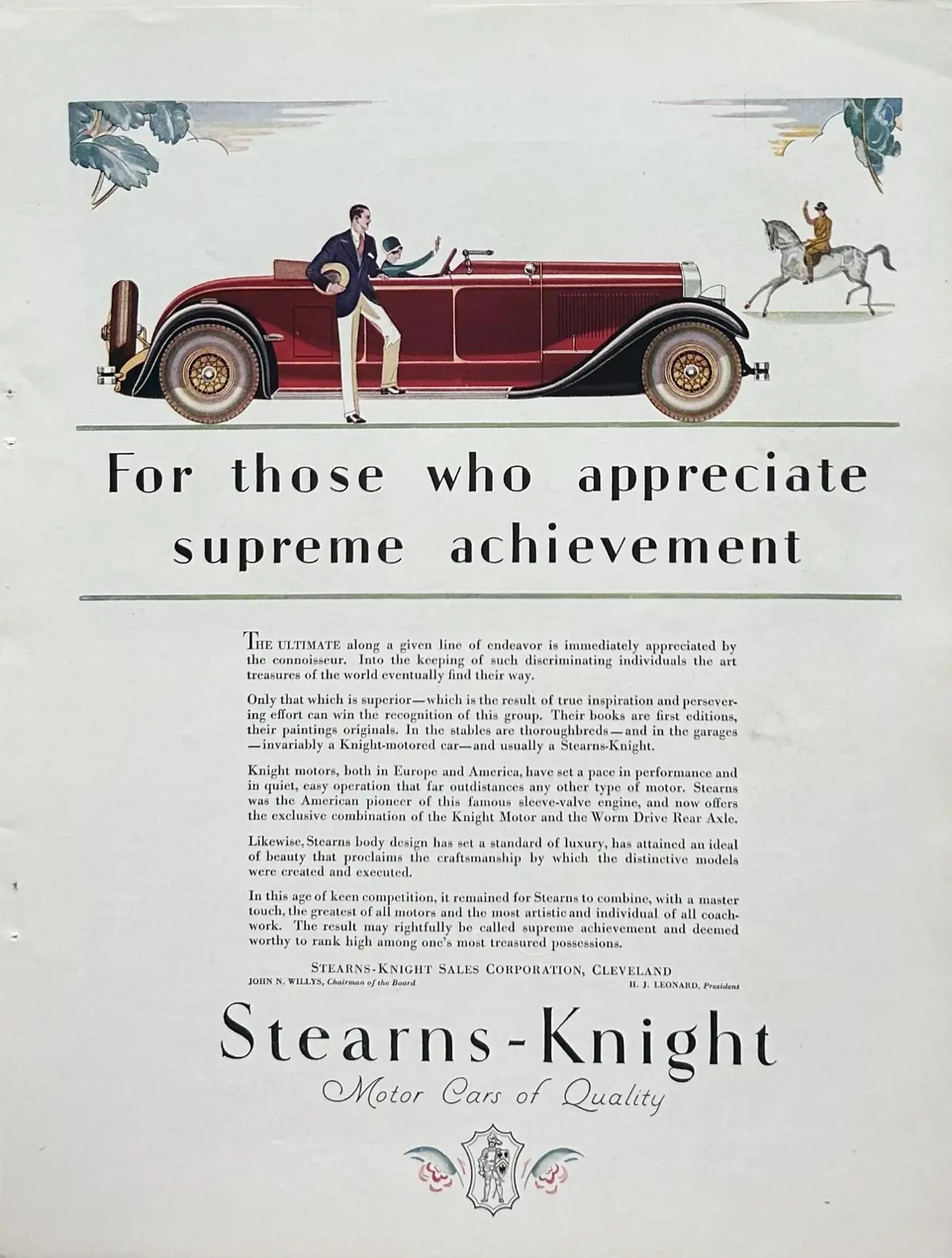
Stearns Knight Eight Cylinder Society
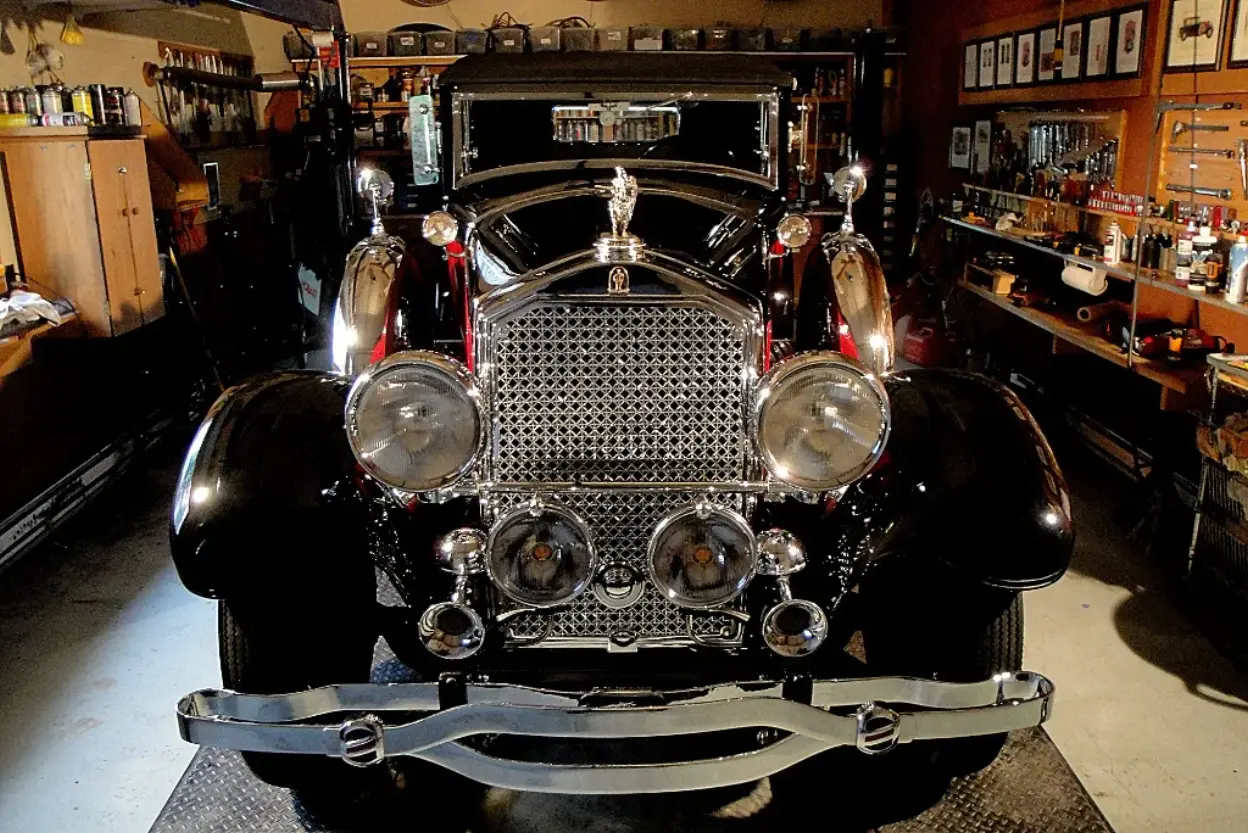
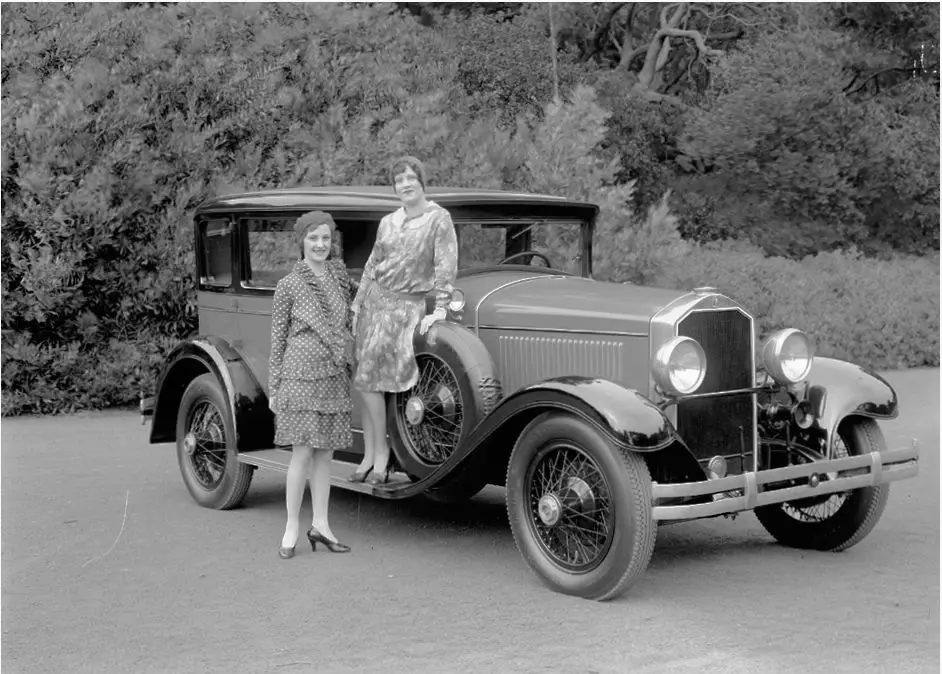
A group of enthusiasts dedicated to the care and preservation of 1927-1929 Eight Cylinder Stearns Knight automobiles.
Stearns Knight Eight Cylinder Society Marketplace
List and Sell Items to Fellow Club Members. Browse and Buy Exclusive Items.
Membership
Membership is open to any interested in these cars. It allows access to the registry and forum. You don't have to own a car to join. Just click on the join button in the upper right corner of this page.
Willys Overland Knight Registry
We encourage everyone with a Stearns Knight car to be a member of the Willys Overland Knight Registry. You can find that club on the internet here. They have a good history of both the Stearns Knight automobile and Charles Yale Knight the inventor of the "Sleeve Valve Engine".
History of Stearns Knight
For a more detailed history of Stearns Knight go to the Willys Overland Knight Registry. Stearns was an automobile manufacturer as early as 1903. In 1912 they licenses the Knight engine patent and the company name was changed to Stearns Knight. The company was purchased by John North Willys and folded in to his car empire in 1925. Production continued until 1929.
The Eight Cylinder Car Production
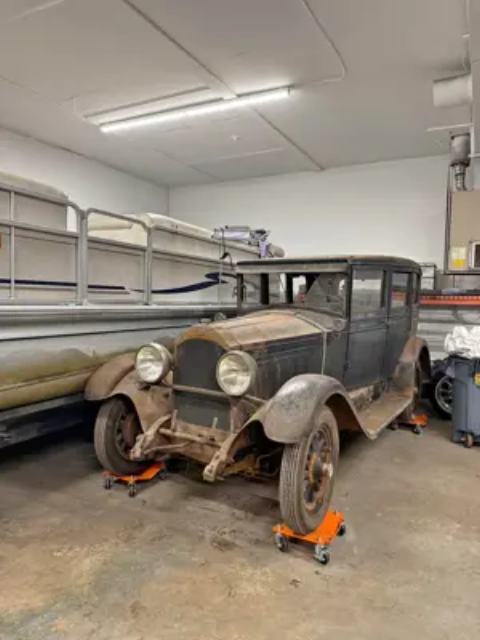
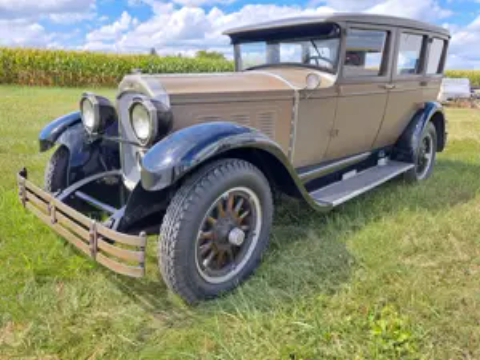
In 1927 Stearns Knight introduced a large straight eight engined intended to make Stearns Knight one of the top luxury cars in the United States. According to Stearns historian Mark Young a total of 1,356 eight cylinder Stearns Knight cars were produced across three models from 1927 to 1929. 641 of the early G-8-85 models were made in 1927 and 28 with only 3 known survivors. 327 of the 137" wheelbase H-8-90 cars were produced in 1928 and 29. And finally, just 388 of the 145 inch J-8-90 cars were made in 1928 and 29.
The Eight Cylinder Engine
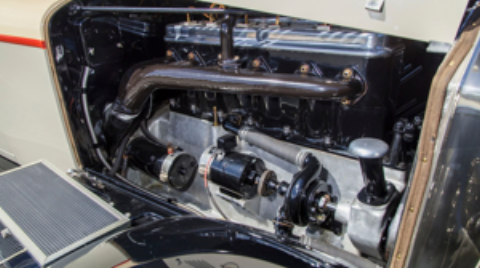
The Stearns Knight eight cylinder engine was 385 cubic inches making it the largest straight eight cylinder engine available in the US until Duesenberg came along in 1929. It has double sleeves, one for intake and one for exhaust with 3 crankshafts. One crank was for the pistons, and the other two were for the sleeves. The engines were under constant engineering update during production and you will see a number of different features between early and late cars.